Empower your staff. Strengthen families.
Create lasting impact.
Train A Staff Member to Deliver the Masterful Parenting Program
Trusted by school and organizations for 26 years!
Our programs have served over 5,000 parents and professionals
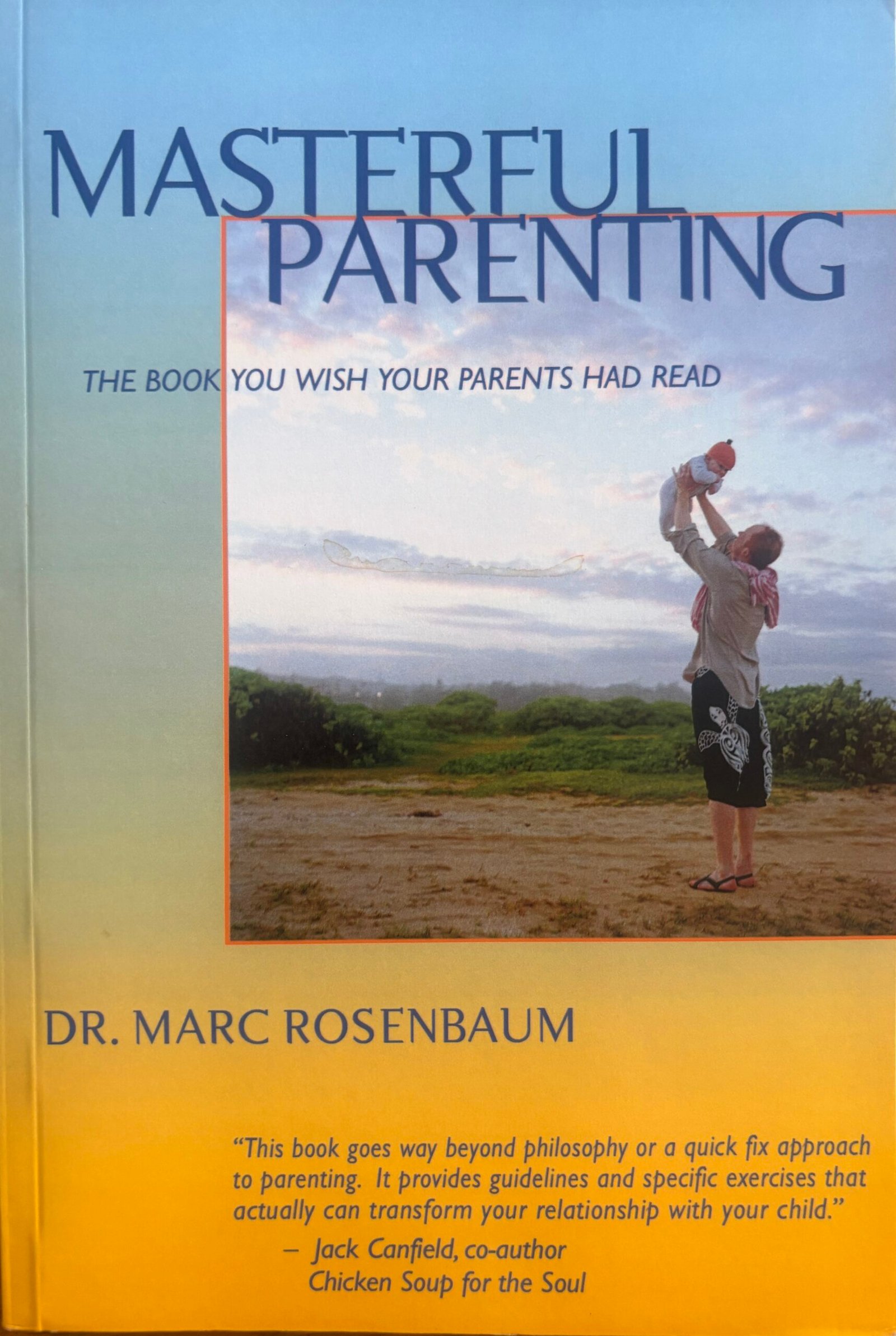
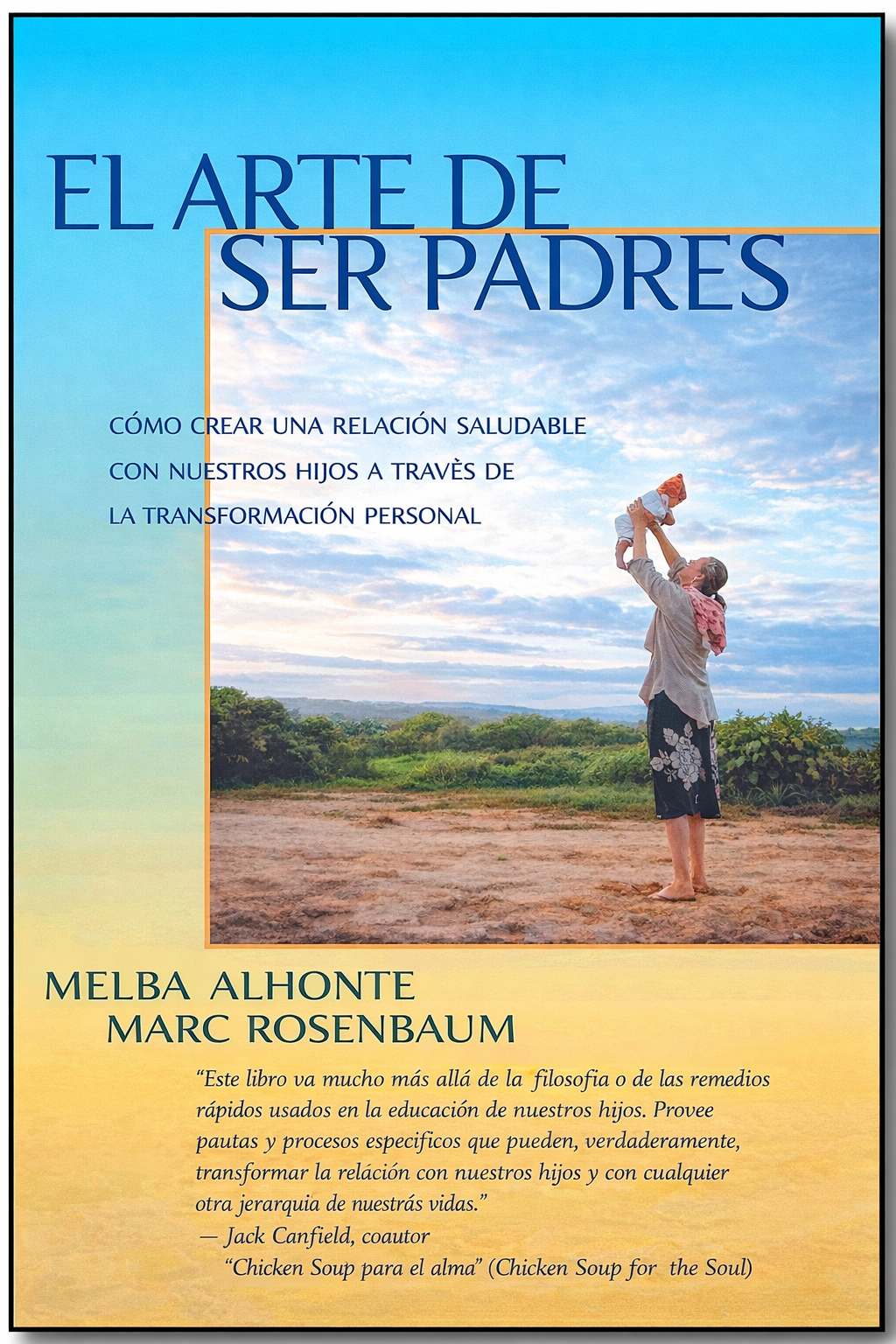
Masterful Parenting is a proven SEL based self-care and stress-management parenting program that:
- Improves family outcomes
- Enhances childrens well-being
- Strengthens communities

Our train-the-trainer program equips school and community professionals to facilitate the Masterful Parenting program.
The Problem
Family engagement is critical but hard to sustain
Professionals working with families know that strong family engagement and a safe and supportive home enviroment improve outcomes for children but many struggle with:
- Rising stress and behavioral changes by students and parents
- Low parent participation
- Staff burnout and limited capacity
- Inconsistent communication with families
- Programs that don't scale or last
One-off workshops and outside consultants don't create lasting change. Ours does.
The Solution
Our Train-the-Trainer program is a proven, holistic program that trains your staff to deliver a sustainable high-impact parenting and family engagement program that grows with your community
Your staff member will be trained to deliver a comprehensive program that teaches:
- Communication and conflict resolution
- Emotional regulation and mindfulness
- Stress reduction and self-care
- Building resilience in children and families
- Healthy habits and lifestyle foundations
Includes curriculum, videos, facilitator guides, and licensing.
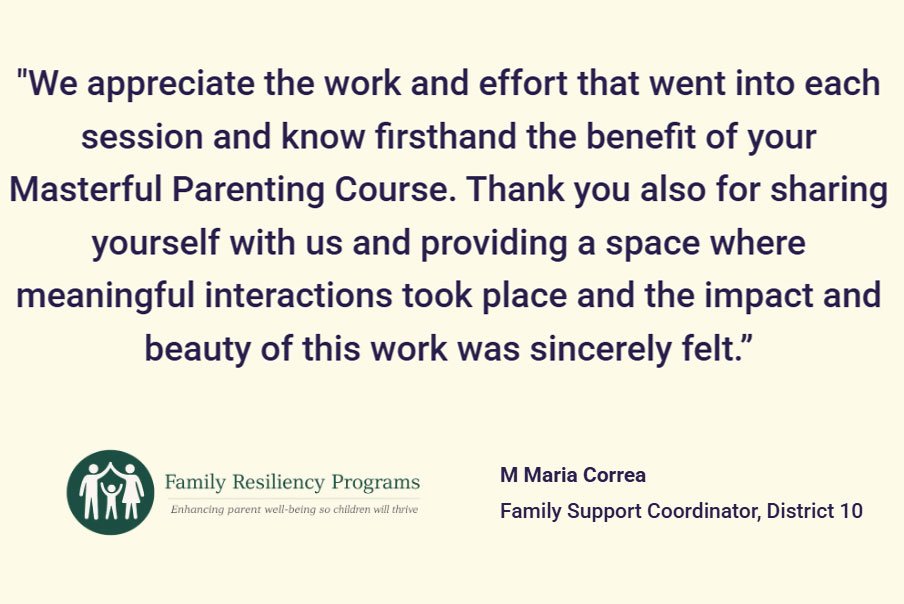
What Are The Benefits For Your Organization?
- Stronger parent engagement
- More confident, effective staff
- Reduced parent escalation and conflict
- Less aggressive communication from parents
- More positive input from parents
- More constructive parent involvement
- Lasting change without reliance on outside providers
Parents will learn to:
- Stay calm and present under stress
- Listen with attention and empathy
- Communicate clearly and respectfully
- Resolve conflict peacefully
- Take responsibility and make conscious choices
In addition, parents learn practical tools that support personal well-being and emotional balance:
- Gentle yoga-based stretching (chair or mat)
- Breathing practices and meditation
- Stress-management strategies
- Life-enhancing nutrition
- Healthy sleep habits
As parents begin to practice these skills, the impact extends far beyond the individual—shaping the emotional climate of the home, the classroom, and the broader school community
Hear from Parents & Administrators
In their own words, participants describe the difference this work has made in their families

B.B. - Parent Coordinator
"I learned to pause instead of reacting"
"I now choose peace over war and I have learned to establish that peace. Since using the Masterful Parenting techniques with my family, the atmosphere in my home has become much more peaceful."
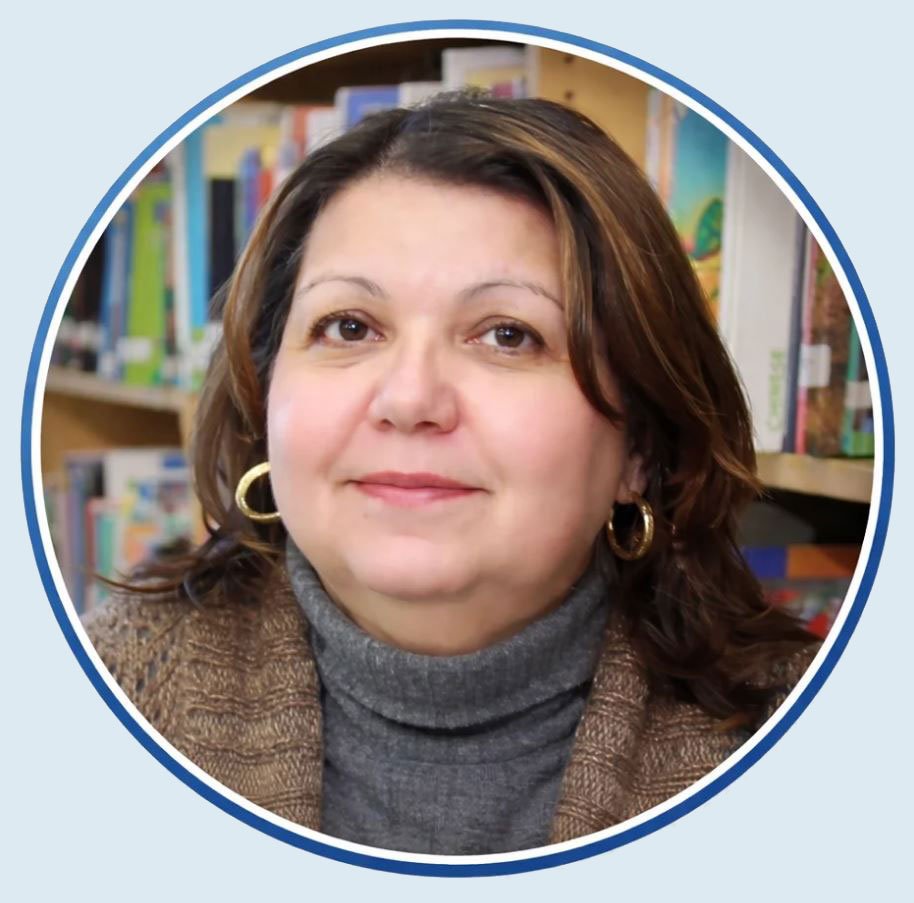
Y.S. - Parent Coordinator
"I learned how to "really" listen with my heart open and mind quiet."

Victor Goode - Father of One
"The focus of Masterful Parenting was right on."
"As a parent I think I was focused a lot more on my child’s behavior than on my own. As I began to refocus my attention on myself, I saw how important that is with regard to my relationship with my daughter."